How the Scribble Method Improves Studying

How Scribbling Helps You Study Smarter and Remember More
A Simple Active Recall Study Technique for Better Memory
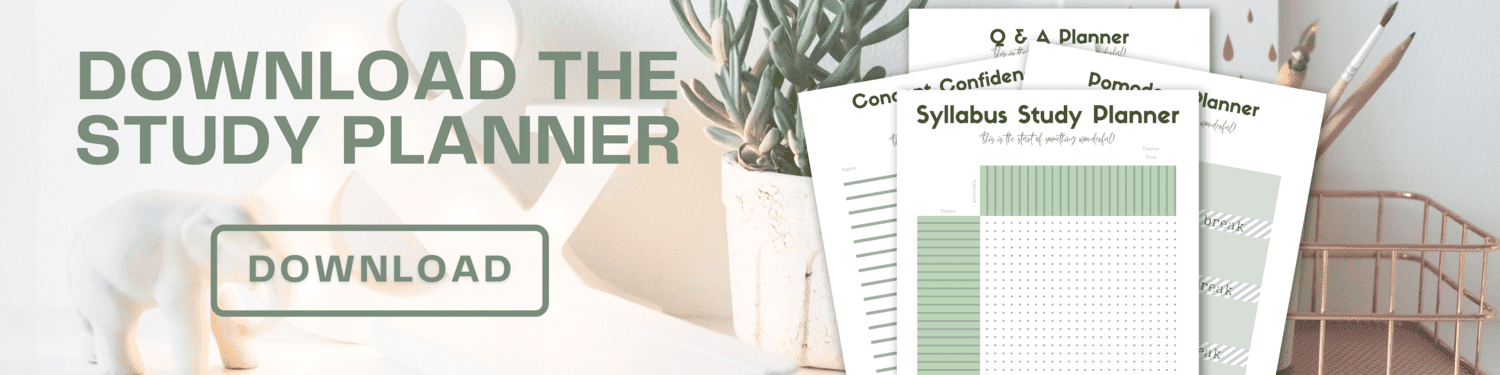
Everything you need for the semester you want!
This bundle includes:
The Syllabus Study Planner
The Pomodoro Planner
A Confidence Tracker
A Q&A planner
The “Get Organized Checklist”
and more!
This workbook is full of super useful resources that can be applied to every aspect of your day.

It was the night before my final exams, and my anxiety was through the roof. Textbooks were stacked everywhere, highlighters covered my desk, and I felt completely overwhelmed by how much I had to remember.
That’s when a friend mentioned something called scribbling. At first, it sounded ridiculous. Just scribble things down? But I was desperate enough to try anything.
To my surprise, it worked.
Within minutes, I could see the connections between ideas, identify what I didn’t understand, and focus my studying much more effectively. Since then, it has become one of my favourite ways to study smarter.
What is Scribbling?
Scribbling is an active learning technique where students quickly write down key ideas, concepts, and connections from memory in a freeform style. Instead of copying notes directly from a textbook, you close your book and “scribble” key ideas, definitions, and connections onto the page.
It’s all about capturing your thoughts quickly and succinctly, allowing you to process and understand the information more effectively. Unlike traditional note-taking methods, this method encourages creativity and spontaneity. This makes it perfect for engaging both your analytical and creative sides.
This process forces your brain to retrieve information, strengthening memory and improving comprehension. Because it combines recall, visual mapping, and summarization, this is a powerful tool for studying complex material.
How to Use the Scribbling for Studying
1. Gather Your Materials
Before you start, make sure you have all the essentials: a notebook, a pen, and a highlighter. Opt for a notebook with blank or dotted pages to give yourself the freedom to scrawl without constraints.
2. Create a Comfortable Study Space
Find a quiet, well-lit space where you can focus without distractions. This could be a cozy corner of your home, a library, or even a favourite café.

3. Choose Your Study Topic
Decide on the subject, chapter, or concept that you want to tackle. Having a clear and specific focus will help you stay organized and make the most of your study session.
4. Start Scribbling
Close your textbook and notes. Now write down everything you remember about the topic.
Don’t worry about structure or neatness. Write quickly and freely.
You might include:
key definitions
formulas
diagrams
arrows connecting ideas
short explanations in your own words
The goal is retrieval, not perfection. The more information you pull from memory, the stronger your understanding becomes.
5. Check Your Notes Against the Text
After you finish scribbling, reopen your textbook and compare it to what you wrote.
Look for:
missing concepts
incorrect ideas
details you forgot
Then add these to your notes in a different colour. This helps reinforce the correct information.
6. Highlight and Connect
Once you’ve scratched down the main points, go back and highlight the most critical information. Draw connections between related ideas using lines or arrows. This helps reinforce your understanding and creates a cohesive flow of information.
7. Summarize and Reflect
At the end of your session, take a moment to write a summary paragraph about what you’ve learned. Next, jot down any questions or areas that need further clarification. Reflecting on your notes helps solidify the material in your mind.
Benefits of the Scribbling
This method is essentially active recall in disguise. When you write down ideas from memory instead of copying them from a book, your brain works harder to retrieve the information. This strengthens memory and helps move knowledge into long-term storage.
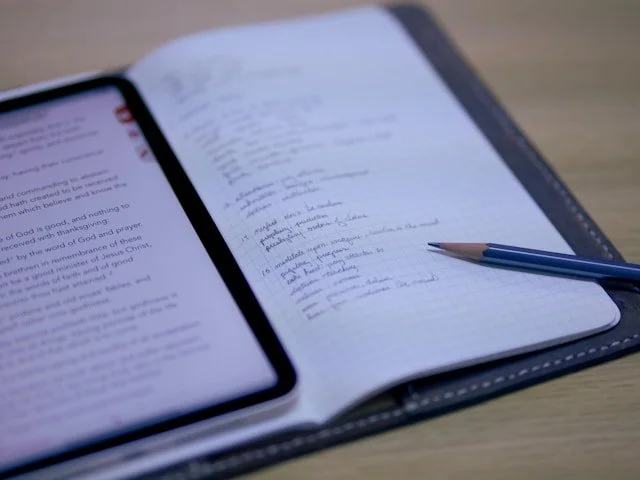
Enhanced Retention:
This method isn’t just doodling for fun. It’s active learning in disguise. When you’re scribbling out all of your ideas, drawing arrows between concepts, or mind-mapping your thoughts in real time, your brain is firing on all cylinders. That physical engagement helps lock information into your long-term memory in a way that just passively reading never could.
Increased Creativity:
Studying doesn’t have to feel like a chore. Scribbling gives you permission to break out of the box and think differently. It adds a creative twist by allowing you to draw a funny diagram, sketching out symbols, or even just letting your pen follow your thoughts. This makes studying feel less rigid and a lot more fun.
Improved Understanding:
Complex topics can feel like an overwhelming mess until you start visually organizing them. Scribbling helps you connect dots you didn’t even realize were related. You can literally see how concepts interact, which makes it easier to grasp the big picture (and ace that exam question that wants you to explain the "why" behind the "what").
Efficiency:
Let’s be real: not every study session has to be a two-hour deep dive. Sometimes you’ve only got 15 minutes between classes or before a shift. The beauty of this method is that it’s fast. Jot down quick thoughts, make connections on the fly, and move on with a clearer understanding. You’ll be surprised how much ground you can cover in such a short time.
When Should You Use Scribbling?
This method works best when you are:
• reviewing lecture notes
• studying for exams
• learning complex concepts
• preparing for essay questions
• checking your understanding of a chapter
You don’t need to use it for every page of reading, but it’s extremely helpful for review sessions.
Feeling inspired to give it a try? Download my free study planner and activity tracker to help you organize your study sessions and track your progress. Click the link below to get started on your journey to academic success!
Incorporating this method into your study routine can transform the way you learn and retain information. Whether you’re a mature student or currently navigating the demands of college or university, this technique offers a refreshing approach to studying that’s both effective and enjoyable. Happy scribbling!
I would like to be transparent so that there are no misunderstandings. As an affiliate, I may earn a small commission from any products linked in this post. This is not a sponsored post, and I was not asked to recommend these products. These are products that I genuinely love and want to share with my audience.